
Metal Werx Blog
Ferrous or Non-Ferrous? Why It Matters When You Sell Scrap
- Published
- Reading time
- 2 min
- Words
- 224
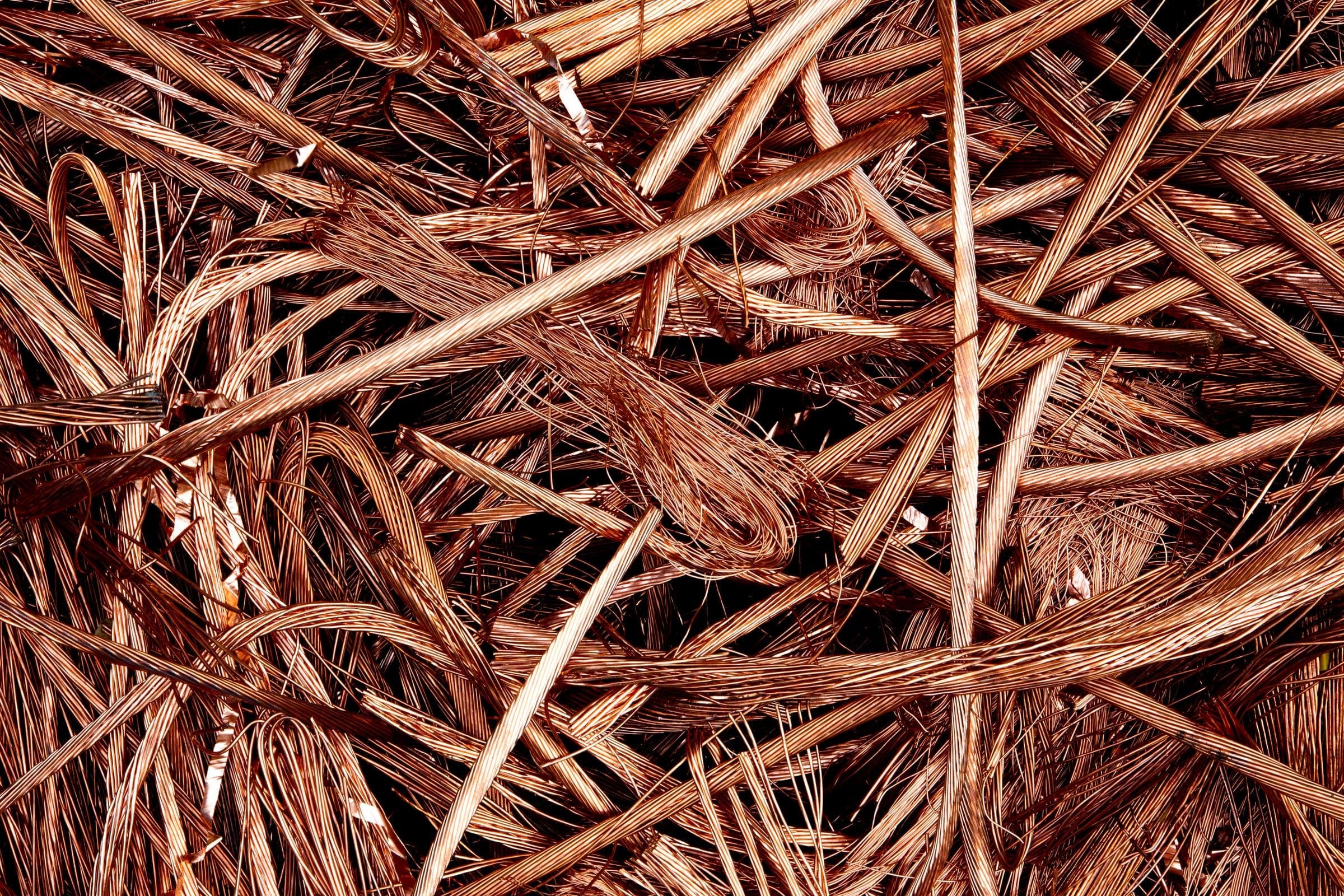
Every load of scrap that comes over our scales is sorted into two big families: ferrous and non-ferrous. Knowing which is which is the quickest way to understand what your scrap is worth.
Ferrous metals contain iron. Steel and cast iron are the common ones: car bodies, roofing, fencing, machinery frames, old tools and white goods. There's a lot of it about and it's heavy, so it's paid by the tonne, at a lower rate per kilo than non-ferrous metal.
Non-ferrous metals don't contain iron. Copper, brass, aluminium, stainless steel and lead are the ones we see most. They're worth more per kilo, sometimes many times more, so even a small bucket of copper offcuts or brass fittings can be worth the trip.
The easiest test is a magnet. If it sticks firmly, the metal is ferrous. If it doesn't stick, it's probably non-ferrous and worth keeping apart. Stainless steel is the exception that catches people out: most grades are only slightly magnetic or not magnetic at all, but it's still graded on its own.
Keep the two apart as you collect. A mixed load is paid at the rate of its cheapest metal, but sorted bins of copper, brass, aluminium and steel are each paid at their own price. Not sure what something is? Bring it in and we'll grade it for you.