
Metal Werx Blog
Copper Grades Explained: Why Clean Copper Pays More
- Published
- Reading time
- 2 min
- Words
- 286
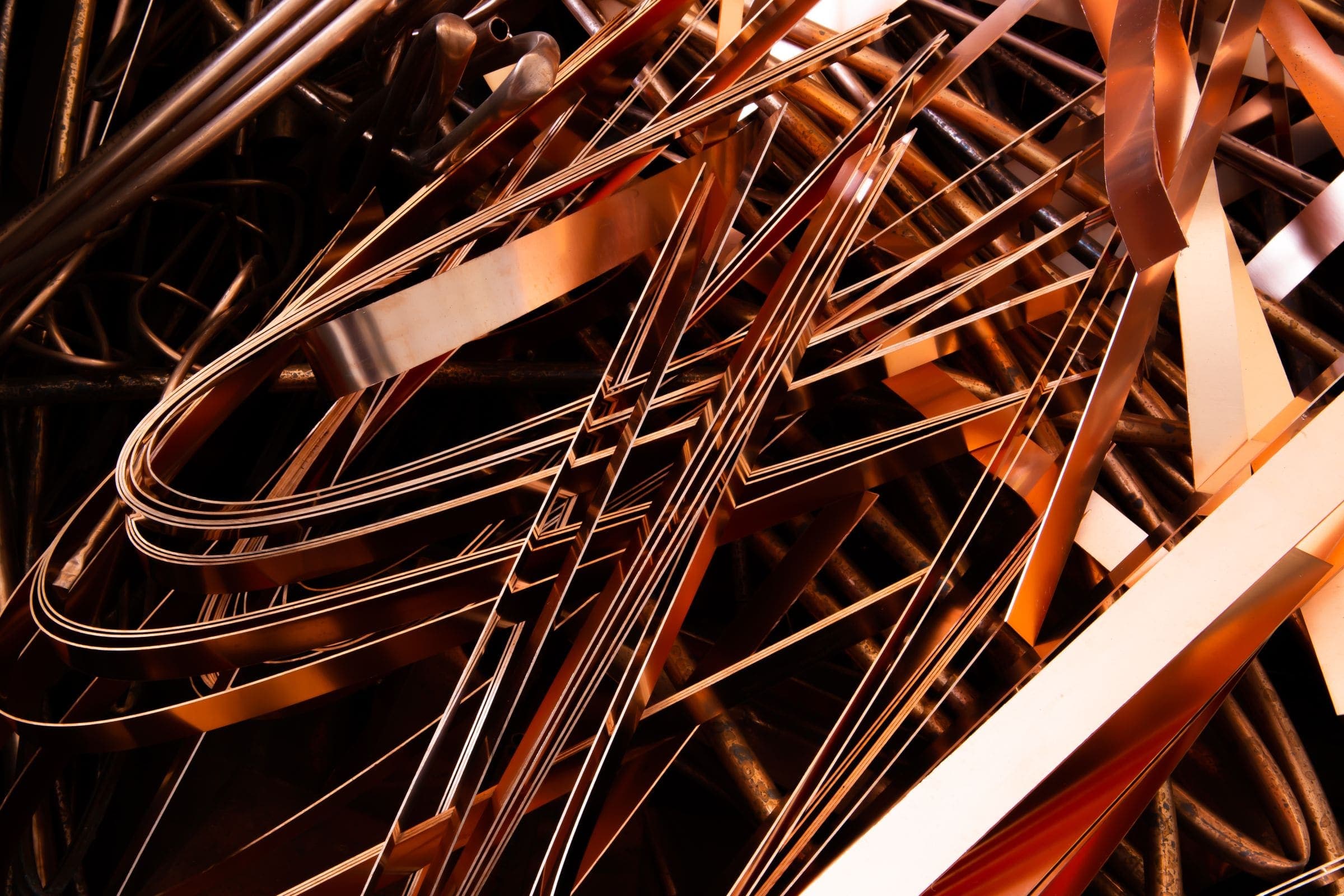
Copper pays more per kilo than any other common scrap metal, but not all copper is paid the same. It's graded on how clean it is, and the gap between the top grade and the bottom can be a big part of what your load is worth.
Bare bright wire is the top grade. That's bare, uncoated copper wire with no solder, paint or tarnish, such as stripped heavy cable, busbar and earth strap.
Clean pipe comes next. That's copper pipe and offcuts with the fittings, solder and insulation removed. Plumbing and air-con offcuts usually land here once they're cleaned up.
Then the lower grades. Painted, soldered, tinned or tarnished copper drops a grade, and pipe with brass fittings or steel brackets still on drops further. Insulated wire is bought on its own, as PVC wire, and graded by how much copper is inside.
A few minutes with a hacksaw pays. Cut off brass fittings and steel brackets, pull off foam lagging and tape, and keep bare wire apart from pipe. The brass you cut off is worth money too, so keep it in its own bucket rather than throwing it out.
Never burn wire to get the copper out. It's illegal in Victoria, the smoke is toxic, and burnt copper is graded lower than clean stripped wire.
Old copper hot water cylinders are welcome. Drain them, take off the outer case if there is one, and cut off the fittings if you can.
Ask us what held your load back. If your copper was paid at a lower grade, we'll show you why, so you know for next time. Plumbers, electricians and air-con installers with regular offcuts can ask us about a bin on site.