
Metal Werx Blog
Insulated Wire: Should You Strip It Before You Sell It?
- Published
- Reading time
- 2 min
- Words
- 253
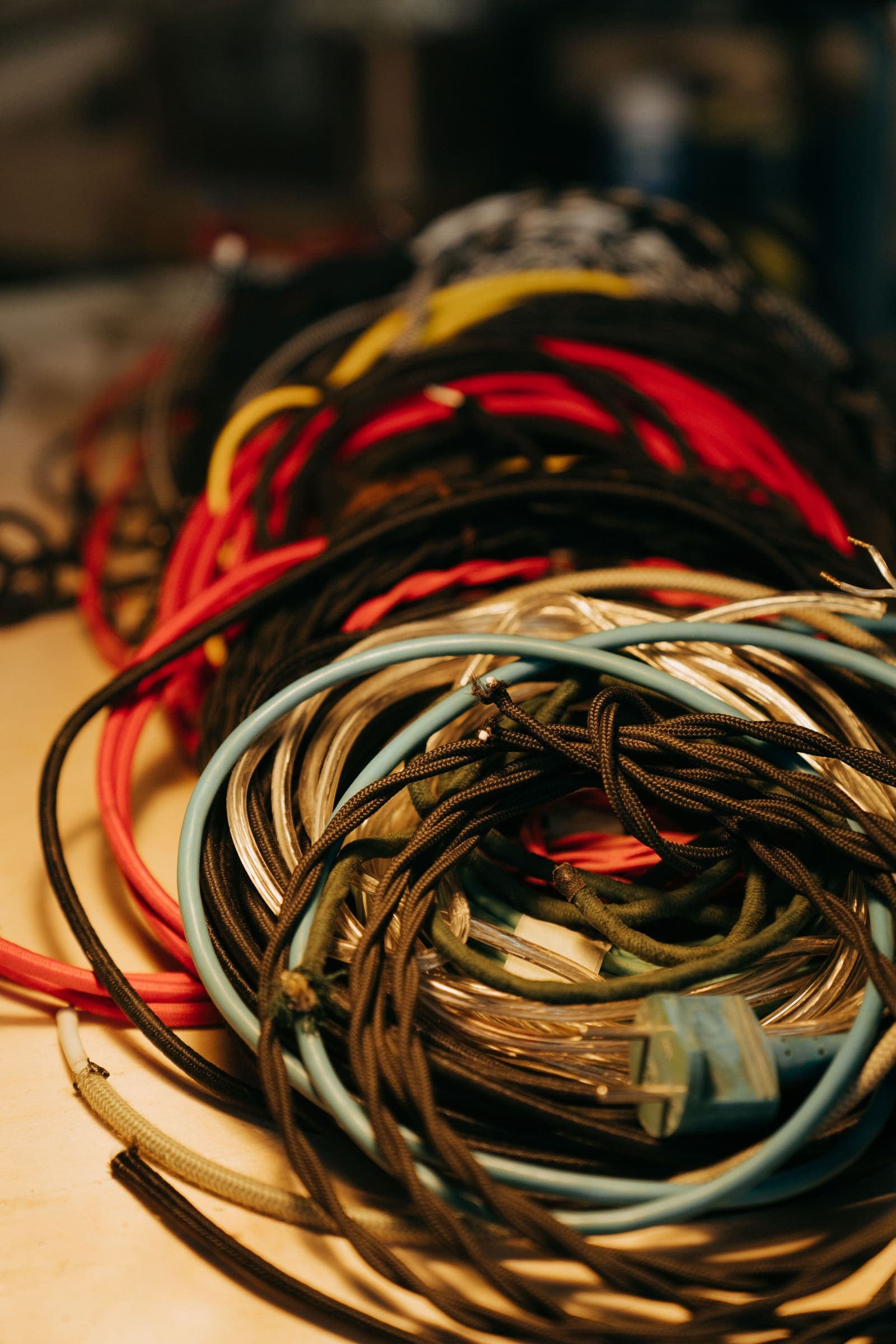
After a rewire, a renovation or a clean-out of the shed, most people end up with a tangle of cable, extension leads and appliance cords. It's all worth money, because there's copper inside, and the usual question is whether it's worth stripping first.
Usually, no. We buy insulated wire as it is, graded by how much copper is inside the plastic. Thin wire, such as data cable and appliance cords, is mostly plastic, and stripping it takes hours for very little gain.
Thick cable can be worth it. Heavy power, mains and welding cable is mostly copper, and once it's stripped it's paid as bare copper, the top grade. If you have a lot of it, it can pay, but ask us before you spend an afternoon on it.
Never burn it. Burning the insulation off is illegal in Victoria, gives off toxic smoke and leaves copper that's graded lower than clean stripped wire.
Sort it into piles. Keep heavy cable apart from building wire such as TPS, and both apart from thin cords, data cable and car wiring looms. A mixed bag is usually paid at a lower grade.
Cut off the extras. Plugs, sockets, lugs and connectors lower the grade, so snip them off, and pull out any steel, cable ties and tape while you're at it.
Bring it to our Hallam yard and we'll grade it, weigh it and pay you by bank transfer. Electricians, data cablers and builders with regular offcuts can ask us about a bin on site.